

Mini First Aid’s Top Safety Tips For Babies And Children
Preparing for your baby’s arrival is such a joyful time. From picking out the perfect pram to folding those tiny first outfits, it’s natural to focus on all the lovely, softer moments. There’s so much excitement and anticipation as you plan for the birth and think about how you’d like to feed and care for your little one.
At Mini First Aid, we know that becoming a parent is a huge adventure – and while there’s no magic formula for getting your baby to sleep through the night, we’re here to help you feel confident and prepared. Our practical safety tips and first aid advice are designed to give you peace of mind, so you can focus on enjoying those precious early moments with your child.
Here are Mini First Aid’s top tips:
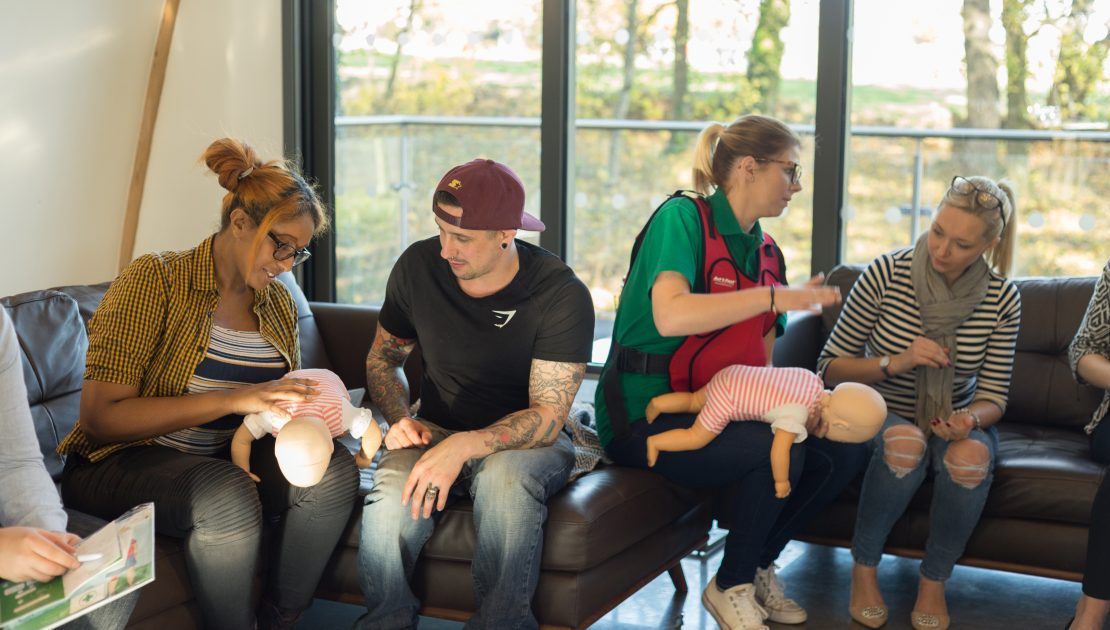
· Attend a baby first aid class. Knowing what to do in an emergency could literally save a life.
· Ask the adults (grandparents and carers) who will be spending time with your baby to also attend a first aid class and don’t forget siblings can attend first aid classes designed for children. · Make sure you have a first aid kit in your change bag or under your pram and another located at home in the room you spend most of your time in. Make sure that everyone knows where the first aid kit is kept and replenish supplies regularly.
· Where possible, baby proof your home to minimise the risk of accidents.
· Find out which neighbours are at home at particular times of day, so that if you ever need emergency help, you know who you can call on.
· Make sure you know where your nearest Paediatric A&E is located (not all hospitals have one).
And for those parents weaning their babies, the possibility of them choking is really scary. There are also risks with babies putting so many things in their mouths. Make sure you do the following:
· We must show our babies and children that grown-ups eat sitting down, chew properly(!) and that we never put too much in our mouths.
· We never leave a baby or child eating without supervision. Silence is the sign of choking. · And most importantly make sure you learn how to deal with choking at a first aid class.
Everyone dreads a bump on the head, especially as your baby becomes mobile. Why is it they seem to spend their time bumping into things?! Most bumps are nothing to worry about, but it is better to be cautious, particularly with bumps to the head. Here is what you need to do:
· Use a cold gel pack – such as our Teddy, on the site of the injury to bring down swelling. Symptoms are often delayed, so stay with your child to monitor any changes in their behaviour or symptoms for at least 24 hours.
· Any signs of sickness, drowsiness, dizziness or any unnatural behaviour could be concussion. You need to take get your baby to A&E as soon as possible.
It is better never to be complacent. Go with your gut instinct. If you are not sure if you need to go to the hospital or if your baby/child is not acting in a way that is normal for them; call 111 for advice on a minor injury or, if life-threatening, call 999.
It is never too early to explain to your baby what is happening if they do get hurt.
You can reassure your child, telling him/her what you are doing: “We’re just
going to get you all cleaned up”. If you are confident around medical practitioners
your child(ren) will learn that if they are hurt, whilst they might be in pain; a grown up is going to look after them.